Shockwave IVL: Improving the way we treat peripheral artery disease
If you follow this blog, you already know that Champlain Valley Vascular specializes in the minimally invasive treatment of vascular disease including peripheral artery disease (PAD). Shockwave IVL is a new and highly effective technology designed to complement our existing treatments and is especially useful for patients with heavily calcified arteries.
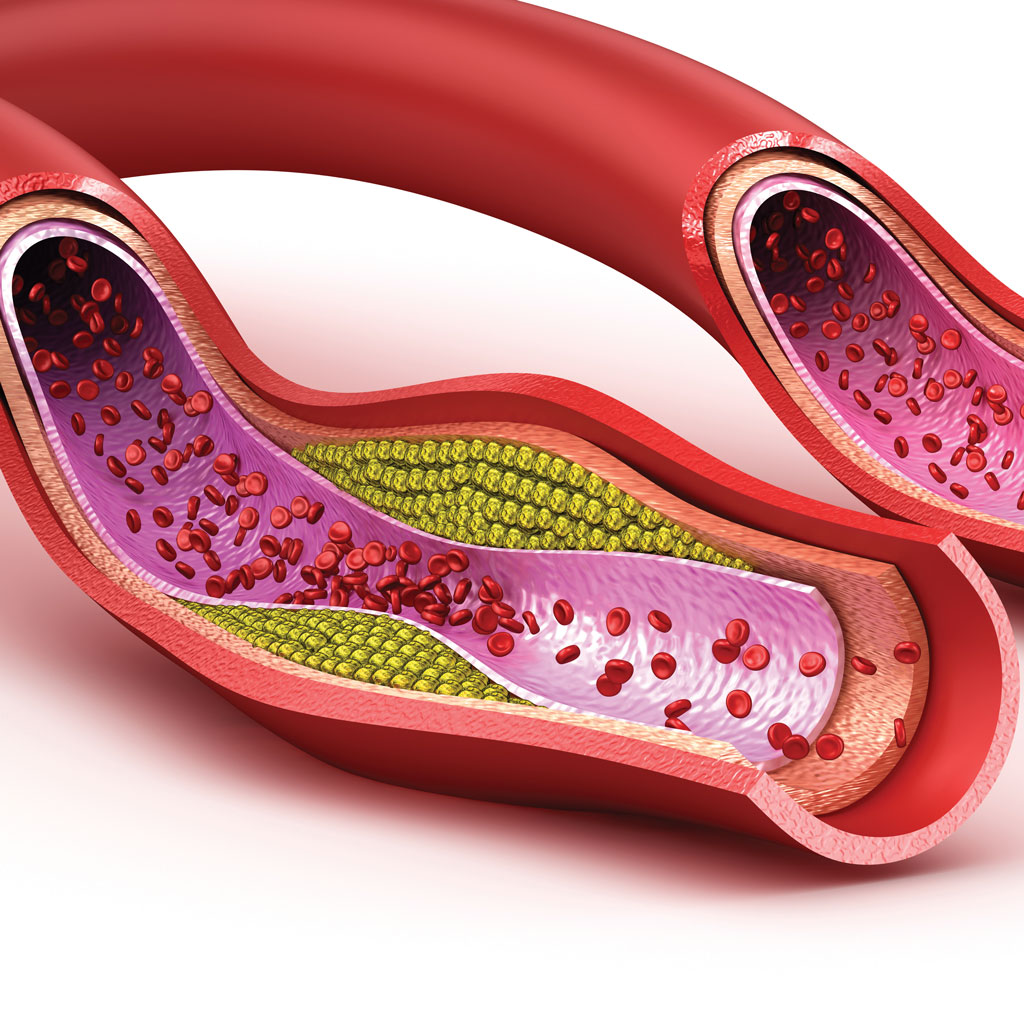
As we age, plaque can build up inside the arteries, and for many, this occurs in the legs. Known as peripheral artery disease, the plaque buildup can reduce the flow of blood to the legs, resulting in symptoms such as leg pain or cramping, numbness in the foot and slow-healing wounds. In some patients, the plaque becomes hardened or “calcified.” Calcified plaque is more difficult to treat because it makes the artery rigid and difficult to expand, which can make opening the artery with balloon angioplasty less effective.
Shockwave IVL is unique in that it actually modifies the hard calcium within the artery. By delivering short bursts of mechanical energy—in the form of controlled acoustic pressure waves—calcium is disrupted or “fractured”, and the artery becomes more compliant. This increases the vessel’s flexibility, enabling it to open more effectively during balloon angioplasty. If needed, a stent can be placed within the vessel to keep it open and blood flowing.
Shockwave IVL is not necessary to treat peripheral artery disease in every patient. But for PAD patients with heavily calcified femoral, popliteal, iliac, tibial or other arterial lesions, it can help make treatment more successful.