National Vascular Disease Awareness Month
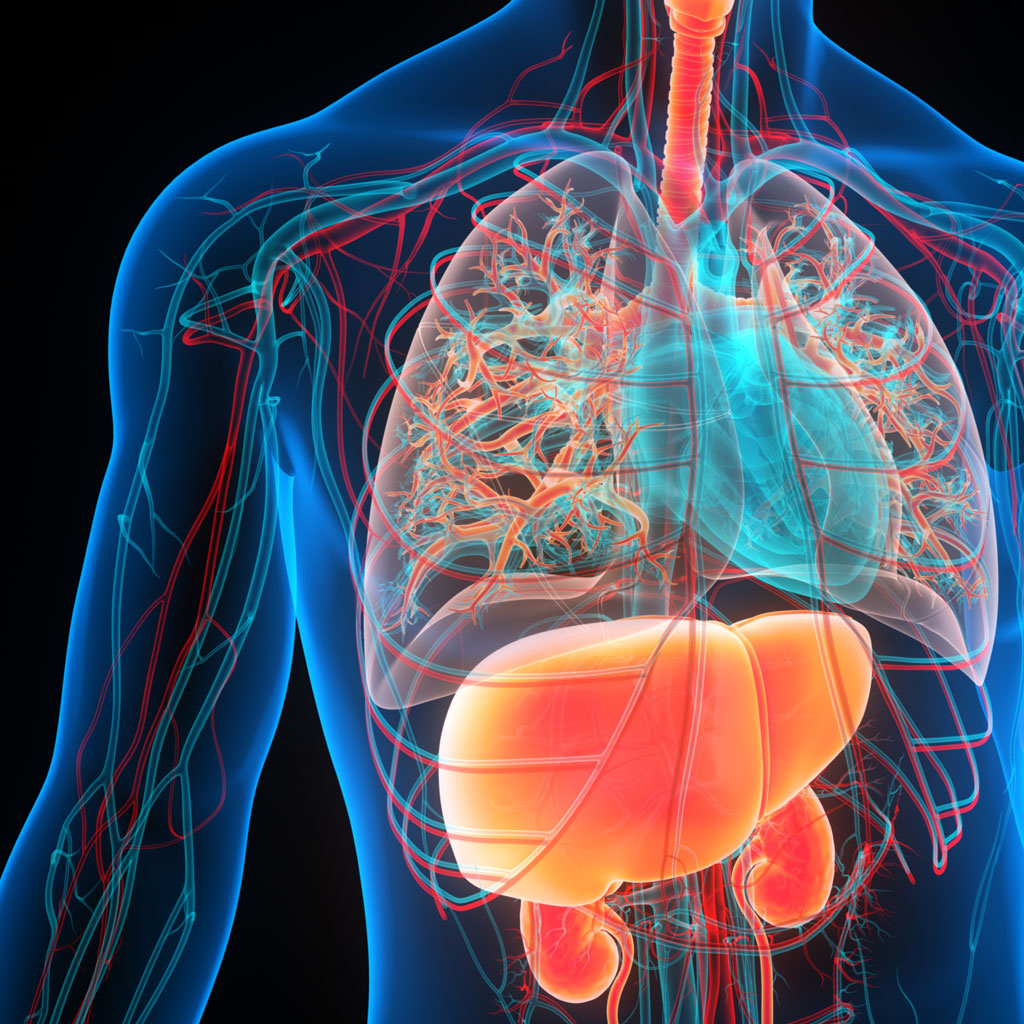
September marks National Vascular Disease Awareness Month, a time dedicated to educating the public about vascular health and the importance of early detection. Vascular disease refers to conditions that affect the circulatory system, like the arteries, veins, and lymphatic vessels, which are responsible for moving blood throughout the body.
While often overlooked, vascular health plays a critical role in overall wellness. Conditions such as peripheral artery disease (PAD), chronic venous insufficiency, varicose veins, and deep vein thrombosis (DVT) can lead to serious complications if left untreated.
Why Vascular Health Matters
Vascular disease is more common than many people realize. According to the Society for Vascular Surgery, 1 in 20 Americans over the age of 50 has PAD, a condition where narrowed arteries reduce blood flow to the legs. Beyond discomfort, PAD can significantly increase the risk of heart attack and stroke.
Because symptoms like leg cramps while walking can be subtle and mistaken for another condition, many people dismiss them as part of aging. Raising awareness helps patients recognize early warning signs and seek treatment before complications arise.
Common Vascular Conditions
- Peripheral Artery Disease (PAD): Narrowing of arteries, often in the legs, leading to pain when walking.
- Varicose Veins & Spider Veins: Enlarged, twisted veins that may indicate underlying venous insufficiency. While spider veins are mainly cosmetic, varicose veins can be a sign of more serious vein disease.
- Chronic Venous Insufficiency (CVI): A condition where blood pools in the legs due to weakened vein valves.
- Deep Vein Thrombosis (DVT): A blood clot in a deep vein, usually in the leg, which can become life-threatening if it travels to the lungs.
Signs of Vascular Disease
If you notice any of the following symptoms, it’s important to consult with a vascular specialist:
- Leg pain or cramping while walking
- Persistent swelling in the legs or ankles
- Visible varicose or spider veins
- Non-healing wounds on the legs or feet
How to Protect Your Vascular Health
The good news is that many vascular conditions are preventable or manageable with lifestyle changes and medical treatment. Key steps include:
- Exercise regularly to improve circulation
- Eat a heart-healthy diet low in saturated fat and high in fiber
- Quit smoking, which is one of the biggest risk factors for PAD
- Manage chronic conditions like diabetes, hypertension, and high cholesterol
- Get screened if you are at risk or have symptoms
Spreading Awareness Saves Lives
National Vascular Disease Awareness Month serves as a reminder to prioritize vascular health. By recognizing symptoms early and seeking expert care, patients can significantly reduce their risk of complications.
If you are experiencing symptoms of PAD or other vascular diseases, contact the Champlain Valley Vascular team to set up an appointment and learn about treatment options.